Best Safari Stays United States: The Definitive 2026 Editorial Guide
The evolution of the American travel landscape has reached a point of “Conceptual Convergence.” Historically, the term “safari” was a geographical locked-in phrase, tethered exclusively to the Rift Valley of Africa or the floodplains of the Okavango. In 2026, however, the domestic hospitality sector has successfully decoupled the experience of the safari immersion in raw ecosystems, specialized wildlife tracking, and high-fidelity tented camps from its traditional African theater. This represents a fundamental shift in the traveler’s hierarchy of needs. We are seeing a rejection of static, brick-and-mortar resorts in favor of “Biophilic Mobility.”
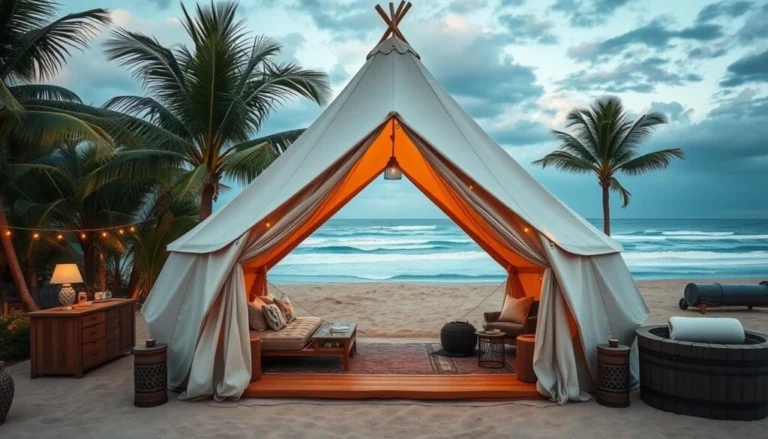
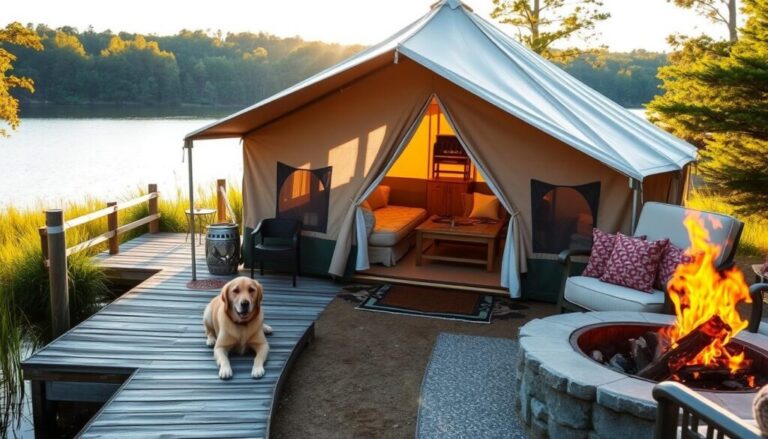
The domestic safari model is not a mere replication of overseas tropes. It is a technical triumph of “Ecosystem Management.” Operating a high-end expeditionary stay in the United States requires navigating a unique set of North American constraints: stringent land-use regulations, extreme seasonal temperature deltas, and the “Human-Wildlife Interface” in a landscape that is increasingly fragmented. The luxury tier of this market is now defined by “Operational Invisibility.” This is the ability to provide a “hard-shell” level of comfort, climate-controlled interiors, pressurized hot water, and artisanal culinary programs within a “soft-shell” structure that leaves zero impact on the surrounding biome.
Best safari stays in the United States

The technical definition of best safari stays united states in the 2026 market has decoupled from “novelty” and moved toward “Biological Authenticity.” A multi-perspective analysis reveals that a property’s authority is built on its “Conservancy Logic.” This is the ability of the resort to function as a steward of the land, often acting as a buffer between protected public parks and encroaching development. A genuine luxury stay in this category must solve the “Visibility-Impact Paradox.” It must provide the guest with “Trophy Sightings” of North American megafauna while ensuring that the infrastructure remains visually and ecologically non-intrusive.
A frequent misunderstanding is that these resorts are merely high-priced versions of traditional “glamping” sites. This oversimplification ignores the “Service-to-Wildlife Ratio” that defines the premium tier. In a standard outdoor stay, the focus is on the accommodation. In a top-tier safari stay, the focus is on the curation of the encounter. This requires the operator to employ specialized naturalists, biological trackers, and expedition leaders who can navigate complex ecological terrains. The risk of oversimplification is high: a traveler may book a “safari experience” only to find themselves in a high-density “tent park” where the only wildlife sightings are habituated species that have lost their wild edge.
True mastery in this sector is identified by “Atmospheric Resilience.” The premier properties—found in the high-desert plains of Montana, the riparian corridors of the Southeast, and the volcanic landscapes of the Southwest—differentiate themselves through “Proprietary Access.” They offer guests access to private landholdings that are physically separated from the high-traffic corridors of the National Park system. Excellence is achieved when the “safari” is a tool for ecological education, while the “hospitality” remains a seamless, non-negotiable baseline.
The Historical Transition: From Frontier Camps to Private Conservancies
The lineage of the American safari traces back to the “expeditionary basecamps” of the 19th-century explorers and the early 20th-century hunters of the Great Plains. These were utilitarian structures designed for survival and extraction. However, the modern American iteration was born from a specific post-recession desire for “Authentic Restoration.” Between 2010 and 2020, the sector was dominated by “Lifestyle Operators” who focused on the aesthetic of the canvas lodge during a period of “Bohemian Exploration.”
The current era, which matured in early 2026, is defined by the “Institutionalization of the Conservancy.” Large-scale capital and seasoned hospitality groups have entered the space. They bring standardized service levels and professionalized housekeeping. More importantly, they bring “Systemic Risk Management.” This shift has transitioned the market from “camping with a view” to “private wildlife reserves with canvas walls.” We are now seeing the emergence of “Bio-Specific Architecture.” Resorts are now designed around the specific migratory patterns and thermal needs of the American West.
Conceptual Frameworks: Mental Models of Safari Integration
To evaluate the integrity of a high-end safari property, utilize these three mental models:
-
The “Trophy Density” Model: This measures the resort’s ability to provide high-quality sightings of “Apex” species (bears, wolves, bison) without overcrowding the encounter zone. Excellence is achieved when a resort limits guest density to ensure that each sighting feels private and unhurried.
-
The “Thermal-Mass” Framework: In North American biomes, the temperature delta between noon and midnight can exceed 50 degrees. This framework assesses a structure’s ability to maintain a stable internal temperature without relying on loud, energy-intensive HVAC systems.
-
The “Logistical-Friction” Logic: This assesses how a resort manages the transition from the “Modern World” to the “Wild.” The best resorts utilize “Buffer Zones”—private airstrips or long, curated approach roads—to ensure the guest’s psychological state shifts long before they reach the camp.
Taxonomic Variations: Regional Biomes and Tactical Trade-offs
The American biome dictates the architecture of the stay. A structure designed for the dry, high-wind plains of Wyoming will fail in the humid, insect-heavy marshes of Florida.
| Category | Typical Region | Structural Strength | Tactical Trade-off |
| High-Plains Safari | Montana / Wyoming | Wind resistance; Thermal seal | High energy cost for winter heating |
| Riparian Tented Lodges | Georgia / South Carolina | Moisture wicking; Insect barriers | Vulnerable to seasonal flooding |
| Desert Expedition Camps | Arizona / New Mexico | Heat reflection; Ventilation | Poor acoustical privacy (wind-whistle) |
| Coastal Barrier Camps | North Carolina / VA | Salt resilience; Sand anchors | Constant “Corrosive Tax” on hardware |
| Mountain Basecamps | Colorado / Idaho | Snow load capacity; Insulation | Requires heavy-timber foundations |
Realistic Decision Logic
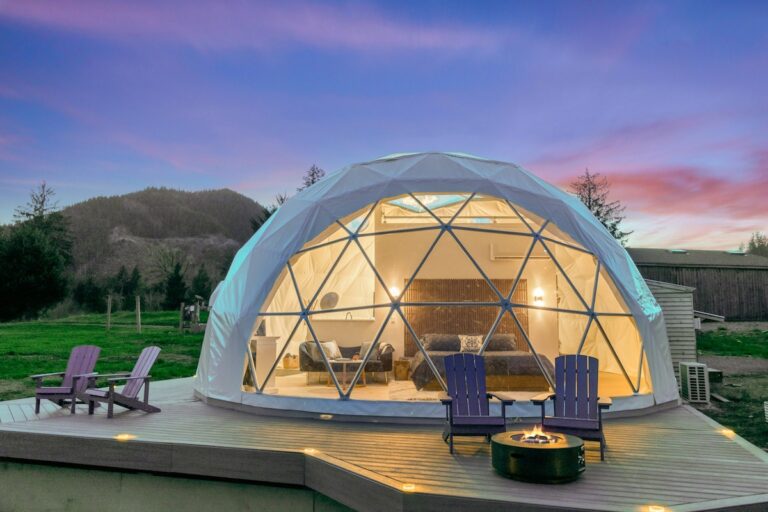
Travelers must decide between “Visual Immersion” and “Climate Control.” A traditional canvas-walled tent offers the highest level of connection to the sounds of the night but requires the guest to tolerate more temperature fluctuation. For those prioritizing “Residential Sleep Quality,” hybrid structures where the roof is canvas but the walls are hard-sided glass or timber are the superior play.
Operational Realities: Stress Tests and Real-World Scenarios
The “Apex-Predator” Perimeter Failure
-
Context: A luxury safari camp in the Greater Yellowstone Ecosystem.
-
The Event: A grizzly bear or a pack of wolves enters the camp perimeter during the night.
-
Failure Mode: The resort has no secondary deterrents, leading to a “Hard-Lockdown” where guests are confined to tents for extended periods.
-
The Elite Response: Properties utilize “Invisible Perimeters” scent-based deterrents or low-frequency sound barriers—that prevent wildlife from entering the camp without ruining the visual landscape.
The “Grid-Failure” Thermal Crisis
-
Context: A high-end camp in the Montana plains during a sudden “Polar Vortex” event.
-
The Event: Exterior temperatures drop to -20°F; the localized power grid fails.
-
Failure Mode: Interior plumbing freezes, and guest units become dangerously cold within hours.
-
The Elite Response: Sites with “Technical Resilience” utilize bio-propane secondary heating and “Phase-Change” insulation in the tent liners. These allow units to maintain a livable temperature for 72 hours without external power.
Economic Dynamics: Direct/Indirect Costs and Resource Planning
The financial profile of the American safari reflects the massive overhead of “Remote Refinement.”
| Resource Category | Direct Cost (Nightly) | “Hidden” Operational Expense | Justification |
| Core Lodging | $800 – $3,500 | Environmental Mitigation | High capex for low-impact systems. |
| Tracking/Guides | $300 – $800 | Specialized Labor | Hiring master naturalists. |
| Culinary Logistics | $150 – $400 | “Cold-Chain” Remote Delivery | Transporting organics to off-grid zones. |
| Resource Fee | $100 – $250 | “Conservancy Tax” | Funding land preservation and anti-poaching. |
The “Invisibly Displaced” Cost: Travelers should account for “Transit Opportunity Cost.” A site that is $200 cheaper but requires an 8-hour drive from the nearest regional airport is less valuable than one with a private airstrip that maximizes “Time-in-Field.”
Systems and Support: The Infrastructure of the Expedition
-
Acoustical “Black-Out” HVAC: High-end sites use ducted, silent cooling systems that maintain the “Quiet Zone” of the wilderness.
-
Bio-Active Waste Management: Utilizing decentralized, closed-loop septic systems that prevent nutrient runoff into fragile ecosystems.
-
Starlink-Mesh Connectivity: Essential for “Technical Nomads” who require 100% uptime in deep-wilderness canyons.
-
Advanced Fabric Engineering: Tents utilize “Silicone-Coated Cordura” that resists UV degradation and salt-air corrosion better than traditional cotton canvas.
-
Tracking Drones (Low-Acoustic): Using silent drones for pre-expedition scouting to find wildlife without disturbing the species.
-
Phase-Change Bedding: Utilizing materials that absorb body heat during the day and release it at night to manage the “High-Desert Chill.”
The Risk Landscape: A Taxonomy of Wilderness Failure Modes
-
The “Habituation-Loop” Failure: If a resort fails to manage its food waste, wildlife becomes habituated to humans. This eventually leads to animal relocation or death.
-
The “Acoustical-Leak” Trap: A site that looks remote but is located under a commercial flight path, ruining the “Primordial” asset of the stay.
-
The “Topographical-Blindness” Risk: Designing a camp in a “cold-sink” (a valley bottom) where morning temperatures are 15 degrees lower than the surrounding ridges.
-
The “Supply-Chain” Breakdown: In remote safaris, the failure of a single refrigerated truck can ruin the culinary program for an entire week.
Governance, Maintenance, and Long-Term Adaptation

A premier safari site is defined by its “Ecological Governance.”
-
The “Monthly Biotic Audit”: Full inspections of the camp footprint to ensure no localized soil compaction or vegetation die-back.
-
Review Cycles: Elite sites overhaul their “Soft Goods” every 12 months to ensure that the fabric of the tent remains crisp and dry.
-
Adjustment Triggers: If a property experiences more than a 5% decline in local species sightings, it triggers a mandatory “Low-Impact” operational pause.
Measurement and Evaluation: Quantitative vs. Qualitative Success
-
Leading Indicator: “Wildlife Distance-to-Guest.” A successful safari manages encounters so that the wildlife remains unaware or indifferent to the human presence.
-
Lagging Indicator: “Returning Guest Rate.” In the expeditionary market, a high return rate indicates that the “Nature-to-Luxury” balance is successfully maintained.
-
Qualitative Signal: “Nocturnal Soundscape Quality.” Measuring the percentage of nighttime sounds that are biological versus anthropogenic.
Common Misconceptions and Market Oversimplifications
-
“It’s just like Africa”: It isn’t. The wildlife, the terrain, and the regulatory environment are entirely different. The American safari is its own distinct genre.
-
“Safari means hunting”: In the luxury 2026 market, the “hunt” is purely photographic and educational.
-
“Tents are for summer”: Modern safari lodges are designed for year-round occupancy, with some of the best wolf-tracking happening in mid-winter.
-
“You’ll see everything in one day”: Nature operates on its own timeline. Elite sites manage expectations for a “multi-day narrative.”
-
“It’s not as ‘wild’ as overseas”: Parts of the American West are more remote and have lower human density than many African park corridors.
-
“Wi-Fi won’t work”: With the institutionalization of the wild, high-speed connectivity is now a standard, invisible utility.
Ethical and Practical Considerations
In 2026, the “Ethics of the Encounter” is the central theme. As best safari stays united states continues to grow, properties must prioritize “Species Sovereignty.” This involves ensuring that the desire for the perfect photo does not compromise the animal’s energy budget during critical seasons. From a practical standpoint, travelers must consider their “Visual Impact” when wearing colors that blend into the specific regional landscape to minimize their “Flight-Trigger” footprint.
Conclusion
The evolution of the American safari represents a maturing of the domestic hospitality spirit. We have moved beyond the need for static structures and toward a desire for “Dynamic Integration” with the landscape. The resorts that define the zenith of this market are those that act as a silent facilitator, providing the warmth, the safety, and the refinement required for the human spirit to settle into the rhythm of the wild. By focusing on “Conservancy Logic” and “Atmospheric Resilience,” the best safari stays in the United States offer a portal to a version of the world that is both profoundly raw and perfectly refined.